Pest Prevention in Hamilton: Nearby Solutions for Residential Properties and Commercial Properties
If you need pest control Hamilton business owners can depend on, the most effective solution is local, hands-on, and tailored to the way properties and commercial spaces are built across the city. Hamilton, ON has a mix of established areas, modern communities, industrial areas, and active shopping areas, and that variety creates varied pest risks throughout the year. From Hamilton Harbour to the slopes of the Niagara Escarpment and the shoreline influence of Lake Ontario, local conditions can shape where pests hide, how they spread, and when they become a problem.
In many parts of Hamilton, especially in older brick homes, pests are attracted to hidden voids, damp foundations, and protected spaces like basements and attics. Add freeze-thaw cycles, spring moisture, and shifting temperatures in Southern Ontario, and you get the kind of seasonal pest pressure that can turn a little problem into a greater infestation if it is not handled fast. This guide explains the main local pests, how professional services work, and what Hamilton homeowners, landlords, and businesses should look for when choosing a provider.
Why Hamilton Homes Invite Infestations
Hamilton’s home inventory and location create perfect environments for pest issues. In older areas, especially where houses have stone or older brick homes, there are often narrow cracks around foundations, utility lines, vents, and rooflines. Those gaps become entry points for bugs and rodents looking for warmth, food, and shelter.
The city’s placement between Lake Ontario and the Niagara Escarpment also influences moisture and wildlife movement. Areas closer to the lake may deal with damp conditions that support insect activity, while escarpment-adjacent properties can see more wildlife pressure from squirrels and other animals using trees, rooflines, and soffits for access. Moisture and shelter are major causes of pest activity because they create harborage and nesting sites.
Hamilton’s mix of dense urban neighbourhoods, suburban streets, and industrial or commercial districts adds another layer. Shared walls in multi-unit buildings, loading areas around businesses, and older commercial properties can all help pests spread from one space to another. In practice, that means pest problems often require a community-based strategy rather than a universal solution.
Typical Invaders in Hamilton Residences and Businesses
Certain pests appear repeatedly in Hamilton homes and businesses. Ants are common in kitchens, basements, and around exterior foundations, especially when food sources and moisture are readily to find. Cockroaches prefer warm, hidden spaces and can multiply fast in multi-unit buildings or food-related businesses where sanitation issues or clutter create shelter.
Mice and rats are highly important in the city because they exploit small openings, storage areas, and utility penetrations. They are often found in basements, storage rooms, crawl spaces, and around dumpsters or loading docks. In older homes, mice may move through wall voids and attic spaces, while rats are more likely to use exterior routes along foundations and utility lines.
Bed bugs are an additional major concern, especially in apartments, hospitality settings, and homes where people travel frequently. Unlike some other pests, bed bugs are not tied to food or sanitation; they spread through luggage, furniture, and close contact, which makes fast inspection and targeted extermination essential.
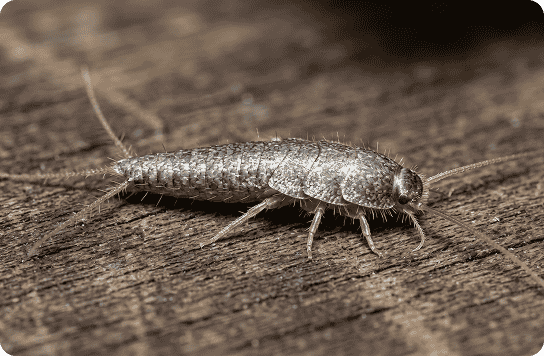
Other pests commonly seen in Hamilton include wasps nesting under eaves or in wall cavities, spiders in quiet corners and unfinished areas, silverfish in damp basements and bathrooms, and cluster flies that slip into attics and upper walls as temperatures drop. In some areas, squirrels may also be https://hamilton-onn2zaq694.nexorafield.com/posts/is-pest-control-safe-during-pregnancy-in-hamilton an issue, particularly when rooflines, vents, or soffits are easy to access.
Seasonal Pest Problems in Hamilton
Hamilton residents face various pests at certain times of year, and that pattern matters when planning protection or control. In spring, spring pests often appear as snowmelt and rain raise moisture around foundations and gardens. Ant activity increases, and insects that overwintered in wall voids may become active again as temperatures change.
Summer brings more visible outdoor activity, especially summer wasps constructing nests under decks, in sheds, and along rooflines. Warm weather also raises insect movement around patios, garbage bins, and restaurant waste areas. For many properties, this is the season when outdoor sanitation and regular monitoring matter most.
As temperatures drop, Hamilton sees more fall rodents moving indoors. This is a familiar Southern Ontario pattern: mice and rats begin seeking warmth and food before winter, and they often use small openings in foundations, garage doors, and roofline gaps to get inside. Freeze-thaw cycles can widen those openings, making sealing entry points even more important.
During the cold months, winter indoor infestations become more noticeable because pests that made it inside are now clustered in heated spaces. Mice, cockroaches, silverfish, and sometimes bed bugs can be easier to detect when outdoor conditions are harsh. Interior warmth, storage clutter, and hidden moisture all sustain continued activity, which is why winter is not a time to ignore a pest issue.
Warning Signs You May Need Expert Pest Control
A lot of pest problems are obvious, but many start quietly. One of the first warning signs is droppings in cupboards, along baseboards, in storage rooms, or near food sources. Rodent droppings are a strong sign that mice or rats are active, while insect debris may indicate an established colony or regular travel route.
One more sign is property damage. Gnaw marks on wiring, packaging, drywall, or wood often point to rodent activity. Chewed insulation in an attic, damaged stored goods in a basement, or holes around cabinets can all signal a more serious issue. You may also notice shredded material, which suggests nesting activity in hidden spaces.
Finding entry points is another reason to call a professional. Pest entry is rarely limited to one obvious hole. Gaps around utility lines, worn door sweeps, basement cracks, roof vents, and openings around soffits can all give pests access. In older Hamilton properties, these openings can be quick to miss because they are tucked behind finishes, stonework, or weathered brick.
If you are seeing repeated signs after your own cleanup efforts, the problem may be worse than it appears. That is often when a proper inspection and treatment plan become essential to stop the infestation and prevent it from returning.
How Nearby Pest Control Services Work
Skilled pest services usually start with a careful inspection. A technician examines the pest species involved, the level of activity, and the conditions allowing the problem to continue. This can include checking basements, attics, kitchens, utility rooms, crawl spaces, exterior walls, and outdoor harbourage near sheds, decks, garbage storage, and landscaping.
After the inspection, the company develops a treatment plan based on the pest, property type, and severity of the problem. For rodents, this may involve baiting, trapping, and rodent proofing. For insects, it may involve focused applications, monitoring, and strategies to reduce food, moisture, and shelter. A good plan should prioritize both immediate control and long-term prevention.
Many Hamilton providers also use exclusion work to stop future access. That means sealing entry points, reinforcing vulnerable areas, and identifying structural issues that pests are exploiting. This is especially valuable in older homes and commercial spaces with frequent traffic or aging infrastructure.
Complete service should include follow-up service when needed. Follow-up visits help confirm that activity has dropped, monitor for new movement, and adjust the treatment plan if conditions change. In many cases, the right combination of inspection, exclusion, and follow-up is more effective than a single treatment alone.
Secure and Efficient Pest Prevention Advice for Hamilton Residents
Good pest control starts with everyday habits. Good sanitation is one of the most effective ways to reduce pest pressure because it eliminates food residue, spills, clutter, and waste that pests depend on. Kitchens, storage rooms, garbage areas, and basements should be cleaned regularly, and pet food should not be left out overnight.
Food storage matters too. Place dry goods in sealed containers, rotate pantry items, and avoid leaving fruit, bread, or pet treats exposed. In both homes and businesses, poor food handling can quickly attract ants, cockroaches, mice, and even rats.
Sealing cracks and other small openings is another key step. Use weather-resistant materials around foundations, pipes, vents, windows, and doors. In Hamilton’s older housing stock, this often means looking carefully at basement walls, brick mortar, utility entries, and attic vents. Even a small gap can become a major pest pathway over time.
Yard maintenance also plays a major role. Trim vegetation away from the building, remove piles of debris, keep firewood off the ground and away from walls, and make sure water is draining properly. Overgrown areas can create nesting sites and make it easier for pests like mice, rats, and squirrels to move close to the structure.
Because moisture is a common trigger for pest activity, moisture control should not be overlooked. Fix leaks quickly, use dehumidifiers where needed, and keep basements and attics well ventilated. Damp areas are especially attractive to silverfish, cockroaches, and other pests that thrive in hidden, humid spaces.
What to Look For from a Hamilton Pest Control Company
A reputable Hamilton provider should provide trained technicians who can evaluate local infestation conditions and select a safe and effective treatment. Licensing matters because it indicates the team knows product use, safety practices, and the requirements for home and business work.
Look for a service that uses integrated pest management. This approach combines checks, cleanliness, sealing, monitoring, and precise treatment rather than depending solely on spraying. It’s often the right option for lasting control because it targets the root of the problem, not just the seen pests.
Many households and companies also favor green pest control solutions when possible. That can include reduced-impact materials, precise treatment techniques, and chemical-free tactics such as closing gaps, capturing, and habitat reduction. Leading providers maintain well-being, performance, and the unique needs of the site.
Prior to hiring anyone, ask about warranty coverage. A solid guarantee needs to be specific regarding what is covered, how long it lasts, and what happens if pest activity returns. Be sure the company explains the application plan, the expected aftercare, and any homeowner or tenant responsibilities needed for success.
Pest Control for Apartments, Retail Spaces, and Restaurants in Hamilton
Hamilton's apartment buildings, retail plazas, and lodging properties bring unique challenges. Multi-unit housing can make pest control more complicated because pests move through shared walls, utility chases, laundries, and garbage rooms. One unit may reveal the signs first, but the source can be somewhere else in the building.
That is the reason why property oversight is so critical component of ongoing management. Supervisors need consistent inspection routines, effective tenant contact, and organized response plans. In properties with shared laundry, storage, or waste areas, a single missed issue can spread fast from one suite to another.
Commercial pest control is vital for retail areas, storage facilities, office buildings, and service operations. In business environments, pests can ruin products, disrupt operations, and affect public image. Rodent control, insect control, and ongoing monitoring should be aligned to the particular business type and operating hours.
For food service locations such as eateries, cafes, and industrial kitchens, sanitation and exclusion are particularly important. Food crumbs, spillages, oil residue, storage habits, and waste handling all affect pest pressure. Routine inspection and quick action help protect standards compliance, customer confidence, and daily operations.
How to Choose the Right Pest Control Hamilton Specialist
Selecting the right pest control Hamilton provider starts with community reputation. Seek out a company that is familiar with Hamilton’s neighbourhoods, housing types, and weather patterns. A provider familiar with older city properties, suburban properties, and industrial areas will be better prepared to handle multiple pest threats.
Pricing transparency is another major factor. You should know what is covered in the assessment, what the work includes, whether return visits are part of the service, and what additional charges might apply if the job turns out to be more complex. Transparent pricing helps you make a fair comparison.
Ask about response time, especially if the problem involves rodents, bedbug infestations, or live wasp nests. Fast service can matter when a pest issue is worsening or creating disruptions in a home or business. Same day or following-day availability is often important during high pest season periods.

Finally, review the company’s inspection process. A detail-oriented provider will not rush through the property. They should spot pest activity, outline how the problem developed, and recommend practical steps for ongoing prevention and exclusion. The most effective results usually come from companies that focus on long-term control rather than a quick one-time fix.
Frequently Asked Questions About Pest Control in Hamilton
How much does pest control in Hamilton usually cost?
Pricing factors vary based on the kind of pest, the dimensions of the property, the severity of the infestation, and whether services like entry sealing or follow-up are needed. A small ant issue will usually cost less than a ongoing rodent or bed bug problem. For the best estimate, request an on-site inspection and a written breakdown of what is included.
What pests are most common in Hamilton homes?
The most frequent pests in Hamilton homes often include ants, cockroaches, mice, rats, bed bugs, wasps, spiders, silverfish, cluster flies, and sometimes squirrels. Local housing conditions, basements, attics, and seasonal pest pressure all affect which pests show up most often.

How often should I schedule pest control service?
How often treatment is needed depends on the property and the pest pressure. In some homes, service is needed only when a specific pest problem arises, while others benefit from seasonal inspections or routine prevention. Business properties, food premises, and multi-unit housing often need more regular monitoring because the risk of re-infestation is higher.
Are pest control treatments safe for kids and pets?
Numerous contemporary services are designed with safety in mind, especially when integrated pest management and precise application methods are used. Check about product selection, placement, ventilation, and any steps needed before or after treatment. A reputable company will describe how the plan keeps safe children and pets while still managing the pests effectively.
Mosquito Man Hamilton62 First Rd W, Hamilton, ON L8J 3R2, Canada
+1 289-408-9573
https://maps.app.goo.gl/47W3PJ15EnQopiUf6
https://sites.google.com/view/pest-control-hamilton-ontario/
43.1795221, -79.7846013
Do Hamilton pest control companies offer same-day service?
Certain providers can offer day-of service, particularly for emergency issues such as wasp nests, rat activity, or a sudden and unexpected interior infestation. Service availability can vary by time of year and current workload, so it is best to call ahead of time and outline the problem clearly. If same-day service is not available, ask about the soonest inspection and short-term control options.